
There are changes afoot at Funko, and the Everett, Washington-based purveyor of pop culture products is making the necessary moves to ensure that what started as a niche operation, creating Big Boy bobbleheads nearly 30 years ago, continues as the billion-dollar behemoth it has become.
The oft-recounted Funko story in recent years has been a tale of peaks and valleys, marked by the highest highs and lowest lows, amid explosive growth and cliff-jumping contraction. Growing pains and management missteps are certainly a part of that, but external factors have created new boss-level villains in regular intervals, from a global pandemic to supply chain issues to the challenging trade policies of the last year, each throwing a punch to knock back a company that was just getting back up and running.
At its core, Funko is a brand built on passion, and a company that, as one of the “Big Five” publicly traded players in the toys and collectibles space, should be built to last. Under the hood, there are still issues at hand, and those surfaced during its third-quarter earnings report as its latest 10-K filing once again called into question the infamous ability “to continue as a going concern” due to pressure on financial covenants.
Fresh off of his first earnings call, Funko’s new CEO, Josh Simon, a Disney and Nike vet who most recently led the consumer products business at Netflix, joined The Toy Book for a conversation going beyond the numbers to focus on positive changes and the outlook for the future as the company executes on its new plan to “Make Culture POP!” while leaning into the power of relationships, and a mission to accelerate its already industry-leading speed-to-market.
The Toy Book: As you’ve now been in the driver’s seat for about two months, what was your very first priority when you walked into Funko HQ?
Josh Simon: Honestly, priority No. 1 was to get to know the team, so that’s where I started. I had the opportunity to personally work a lot with Funko from the Netflix side of the equation, where I saw more broadly what the company was doing across the market. Similarly, I was a fan of the brand and spent a lot of time with all the big and small retail partners that we currently work with.
So, I came in with a pretty decent familiarity with the business, but I really wanted to get to know the team — to hear what was on everyone’s mind, what they were excited about, and, my favorite question, what problems I could help solve? Where were their frustrations? Where did they need my help?
TB: What has been the biggest surprise in the first 60 days?
JS: There are a few that I think about on that front. The first was realizing just how much excitement there is for Funko across the industry. From the outside, I had my own enthusiasm for the brand from what I saw from the Netflix perspective, but during the process of coming here, I couldn’t have direct conversations with retail partners or other studios. Once I was finally able to do that, I was pleasantly surprised to see they were just as excited about Funko’s future potential, given some of the challenges the company has faced in recent years.
The second surprise, which was pretty legitimate, was discovering the true breadth of Funko’s portfolio. Even as a fan, I didn’t fully appreciate how diverse it is across so many genres and IPs. You really have to explore multiple markets and retail channels to figure out all that’s out there, and it’s a lot.
Beyond that, digging into Funko’s archives has been fascinating. There’s a history of amazing product development stretching back more than 25 years. Some products were on the market for a limited time, and maybe some were ahead of their time and didn’t resonate. I actually looked at all of them, and it’s pretty awesome. Some things never got released. We have a lot of history and legacy to play with.
Finally, the last part gets back to the team. The team here has definitely been through a lot, even in just the past six months, with the added complexity of tariffs. That has been another layer on top that has caused many quick pivots. There have been many unpleasant situations for people to deal with on a day-to-day basis, but I was definitely pleasantly surprised by their energy and sense of urgency to get things on track and grow the business.
TB: You have this new plan, “Make Culture POP!,” and the first thing you mentioned on the earnings call was the three-pronged approach of “culture, creativity, and commerce.” In learning about that internal culture, and Funko being a brand that’s built on passion, did you see any habits or rituals from your past lives — your past roles — that you can immediately apply to Funko to kind of crank up the volume and get that energy going with those folks that have been through a lot?
JS: There are a few things that come to mind when I think about culture — especially in the realm of ‘making culture pop.’ I’ve been fortunate to see the entertainment and consumer products industry from different vantage points, which has helped me build relationships across the board. So when I think about the talent we want to work with — filmmakers, musical artists, YouTubers, Twitch streamers, you name it — I’m usually one or two degrees of separation away from these folks, as I’ve had the good fortune to work many of them across different industries.
As we start to think about existing or new areas of fandom, that helps us move fast on this “quick strike” strategy. Licensing deals and talent approvals can take time. The fact that I can call someone’s agent or call someone directly speeds things up and kicks the process off with a level of trust.
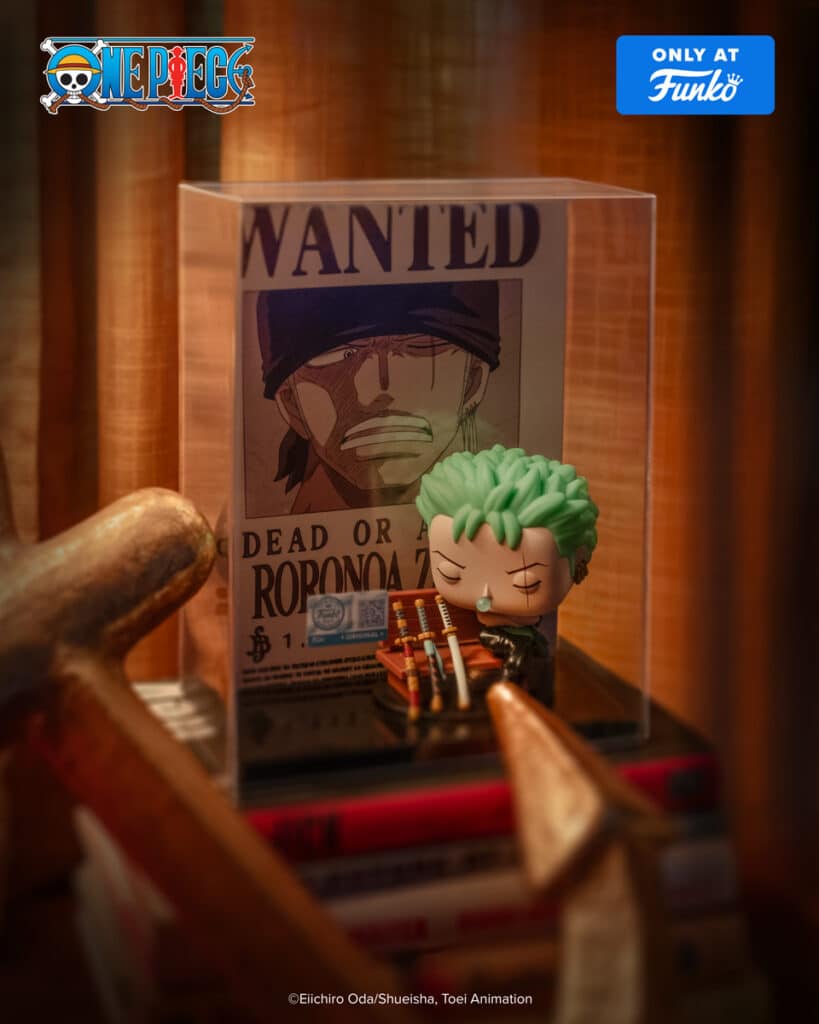
Anime is one example. It’s become our second-biggest category of fandoms, and I’ve personally been a One Piece fan for years. I’ve spent a lot of time getting to know the team at Shueisha over the years, who owns and manages that property. They published the manga. I feel like one of the luckiest people in the world that I got to meet Oda San, [Eiichiro] Oda, who created One Piece. So when our teams come up with great ideas internally, I can call this person or that person and figure out how we can bring them to life. That really energizes folks, and from a cultural and relevance standpoint, we can move fast and create and launch products in a more timely manner.
I think you can apply that across the spectrum, and the same is true on the creativity side.
Nothing that I’m prepared to mention quite yet, but I’ve already brought in a bunch of folks who come from different areas of the toy and product creation worlds to help us think about new product development and work with our existing teams on how to add dimensions to our current products, and also start thinking about new form factors that we can introduce.
On the commerce piece, we’ve already had some really deep and meaningful conversations with some of our biggest retail partners, including Hot Topic, Target, and Walmart.
Those are all areas where I can jump in and help to speed things up, and that energizes people about what’s possible.
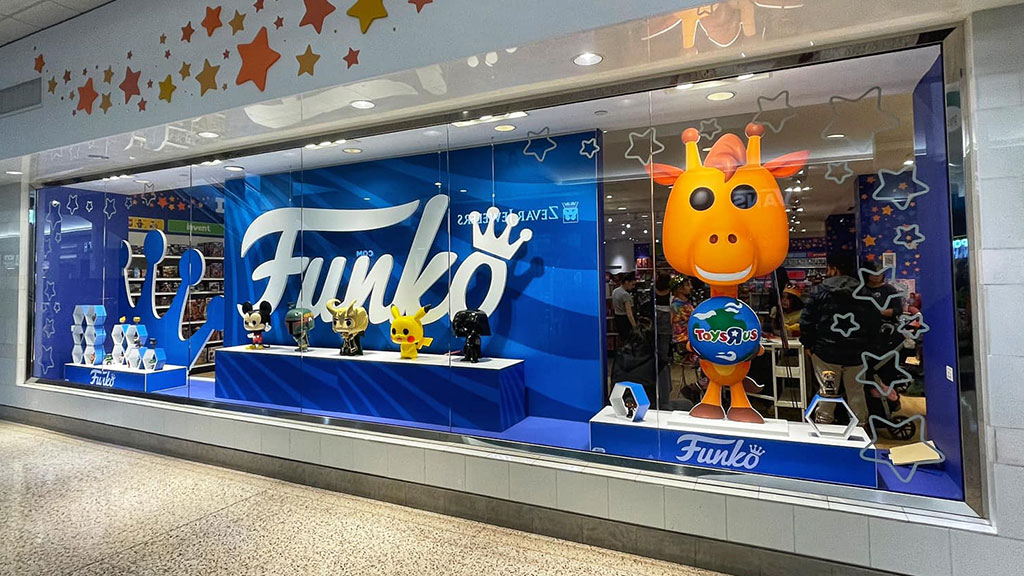
TB: On the retail side — and I was going to ask you about this — when you look across the different layers of the market, from mass retail to specialty, and now that middle space with ‘mass specialty’ players like GameStop, BoxLunch, and Hot Topic, what’s your mindset for how Funko should perform in terms of product rollout and retail execution across those tiers? And along with that, how are you approaching relationships with the smaller, independent ‘mom-and-pop’ stores, some of which may have felt burned in the past after being left with excess product?
JS: I mean, look — for me, this is the stuff I kind of geek out on. I see all of our retail partners — and even our own DTC business — as some of the most meaningful places to interact with fans. With all of those stores, each one is a little different, but together they create this great canvas for storytelling.
One thing we’ve obsessed on, and I’ve learned a lot from folks at Nike, is that you have to start thinking about retail experience way upstream — when you’re first thinking about the type of products you want to create. The team’s already been doing a great job of that. It’s about asking early on: how will this product come to life in a retail channel?
You have to start that pretty far upstream because the price points, the product mix, the genres, the demographics — they’re all different. What works at Walmart might not work at Hot Topic or BoxLunch, and that’s different again from what a mom-and-pop retailer might need. So I think we have to pivot.
You know, people can become very easily transactional. Just with sales in mind, they say, “We’re gonna make a product, and we’re gonna sell it, and put it on a retail shelf, and market it, and someone’s gonna buy it.” I think you said it best — when you kind of operate in the zones where people are just so passionate about these stories and these characters in these worlds, they’re personal.
I want people to be able to celebrate their fandoms and feel just as proud and excited about them, regardless of where they’re buying




3-in-1 Vintage Giant Checkers, Tic, Tac,...




Ayeboovi Toss and Catch Ball Game Outdoo...



BooTaa 29″ Large Dart Board for Ki...









Dotted Games Monkey Palace: A Lego Board...






Flipslide Game


Fuwidvia 3 Pack Airplane Launcher Toys, ...






Hasbro Gaming Bop It! Micro Series Elect...

Hasbro Gaming Connect 4 Classic Grid,4 i...



Hasbro Gaming Simon Micro Series Electro...

Hasbro Gaming Trouble Kids Board Game, P...


HopeRock Toys for 2 3 4 5 Year Old Boy,T...




JOYIN Arcade Basketball Game Set with 4 ...









Laser Tag Set of 2, Lazer Tag Game for K...


LEGO City Deep-Sea Explorer Submarine 60...








Magnetic Wooden Fishing Game Toy for Tod...



















Pokemon Assorted Lot of 50 Single Cards ...








SANJOIN Dancing Talking Cactus Toy for B...




Sloosh Diving Gems Pool Toys, 16 Big Col...






Spin Master Games, Hedbanz 2023 Edition ...




TEMI 7 Piece Jumbo Dinosaur Toys for Kid...



ThinkFun Gravity Maze – Falling Ma...




TOPNEW 12 Ninja Tree Climbing Holds for ...


University Games, Pizza Party Dice Game,...


VTech KidiBuzz 3, Purple

VTech Pull and Sing Puppy



Yeti in My Spaghetti Board Game â K...


TB: The toy, collectible, and entertainment industries have evolved to the point where the leadership of a company or studio is often the public face of it, almost like a Disney thing — you knew Michael Eisner or Bob Iger. Now, in toys, Funko is part of this, going through Mike Becker, Brian Marriotti, and even recently, Cynthia Williams. Those are folks who made real connections with the consumer and the fan that they’re serving. How will you approach this, given your role in an era where CEOs are both celebrated and scrutinized like celebrities?
JS: Well, I’m definitely not looking to be a celebrity; that’s definitely not the goal. That I can say pretty unequivocally, but there are a couple of things.
I just thrive on seeing the enthusiasm that people have for our products. It’s super energizing, and I also love hearing their feedback. I want to hear what they love about it. I wanna hear what we’re doing that’s disappointing to them. That’s the only way we can get better. It’s funny, not to get too philosophical about this, but through most of my career, I’ve always ended up gravitating towards companies that have sort of a physical manifestation of whatever’s happening at the end of it. I love seeing how people purchase and interact with these products.
I’ve been going to comic cons for a long time. I was at New York Comic Con last month. I took my daughter to Anime Expo in downtown LA. I personally find it to be fun, and I do really learn a lot. I appreciate hearing the feedback, both good and bad, that people offer.
TB: Looking past the first 60 days, what does success at the one-year mark look like for you? What would you hope the industry — and Funko’s fans — are saying by then?
JS: I say this not to use the excuse, but because I’m only 60 days in, we should talk in a couple of months. One of the things I’m working on, and this is already happening behind the scenes, is putting together more qualitative benchmarks to say, “Here are some things I’m looking to accomplish,” so that internally and externally, people know what our goals are and they can hold me accountable.
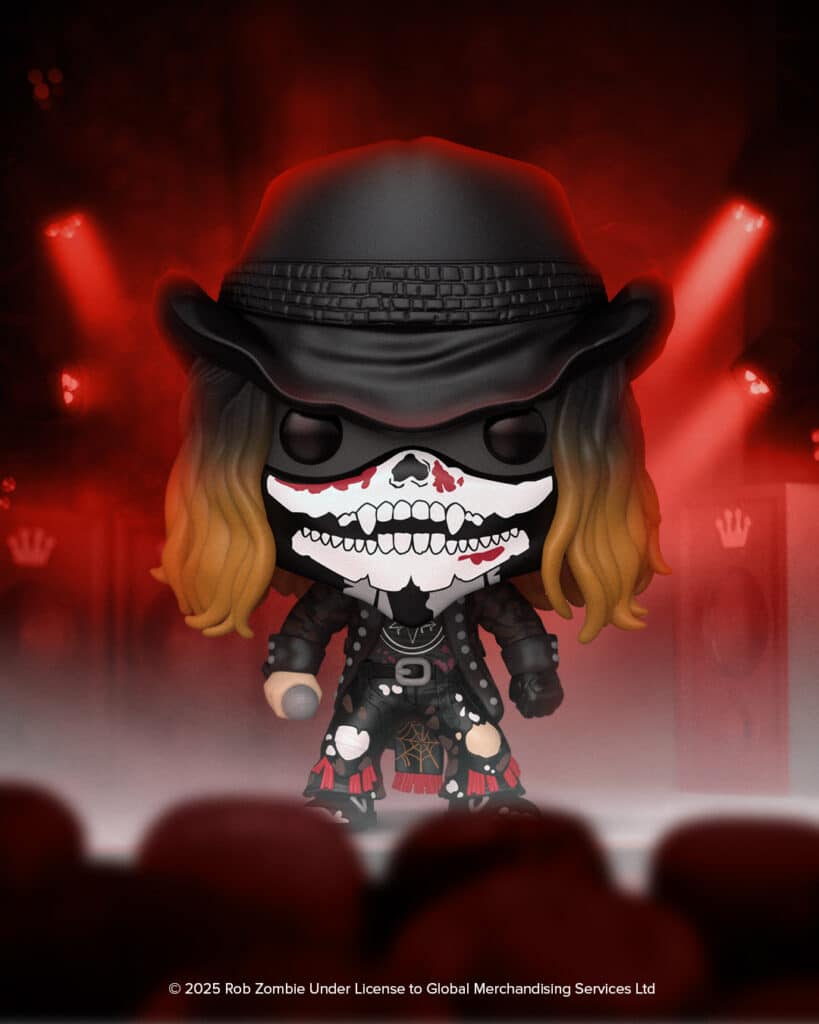
If I were to give you a preview of that — if I were to flash forward a year from now, and take it through the lens of our strategy, I would say on the culture side, I would hope that we’ve continued to expand into new areas of fandom. I want to continue evolving and expanding into various areas, such as sports and music. However, I think there’s also fun in anime and KPop, and certainly in modern forms of entertainment, such as Twitch streamers, YouTubers, and influencers, those types of folks. In that realm, you’ll hopefully see more in some creative ways. In addition to them having a 4-inch Pop! figure, we’re gonna bring more things to life.
The other piece I’d say on the culture side is that I want to operationalize these “quick strike” and “hyper strike” capabilities. We did it on KPop Demon Hunters. It was a little bit more entrepreneurial and scrappy, and people really rolled up their sleeves and figured out how to bring that product to market faster.
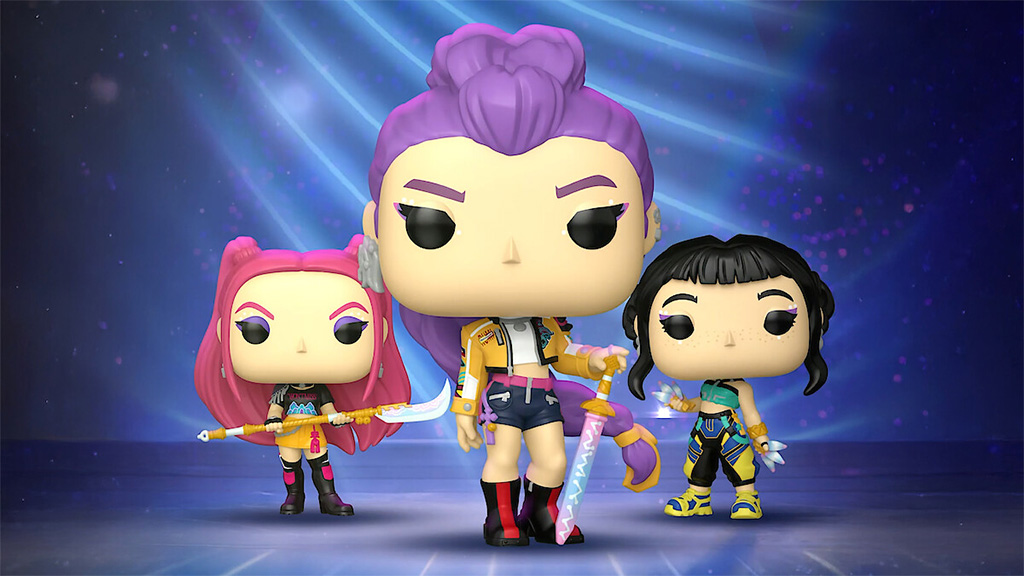
What I hope you see a year from now — once we’ve fully operationalized everything — is that whenever there’s a fun, cultural, or meme-worthy moment happening, whether it’s in sports, on TikTok, or in entertainment, Funko has a point of view reflected through our products.
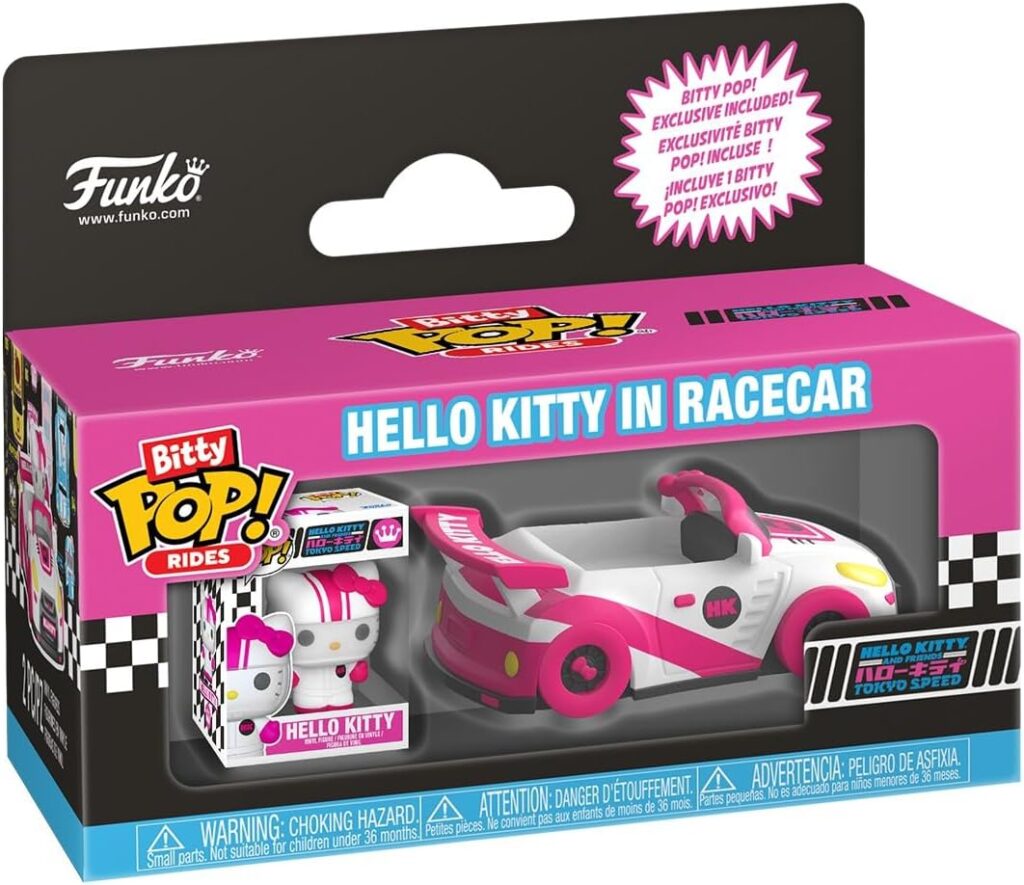
On the creativity side, at a very high level, I’d say, continued dimension and fun with Bitty Pop! over the course of the year. And then I’d say having some fun with new form factors and original IP a year from now, and starting to build some traction there.
On the commerce side, it comes down to two things, at a very high level. One is that I’m super excited about the opportunities to grow internationally, certainly in Latin America and Asia. I think it’s interesting that for those regions in particular, there’s a brand new kind of retail white space for fans, and being able to reach those consumers and retailers in those regions is important. There’s also an incredible creative community to tap into there, with relevance around the world. When we’re able to have a deeper business in Korea, China, Mexico, and Japan — not just in selling products there — it begins more of a creative dialogue with creators and creatives in those countries. There are learnings, skills, and people that we can then bring into the mothership, if you will, and create more by incorporating some interesting points of view that come from all over the world, which we can tell everywhere.
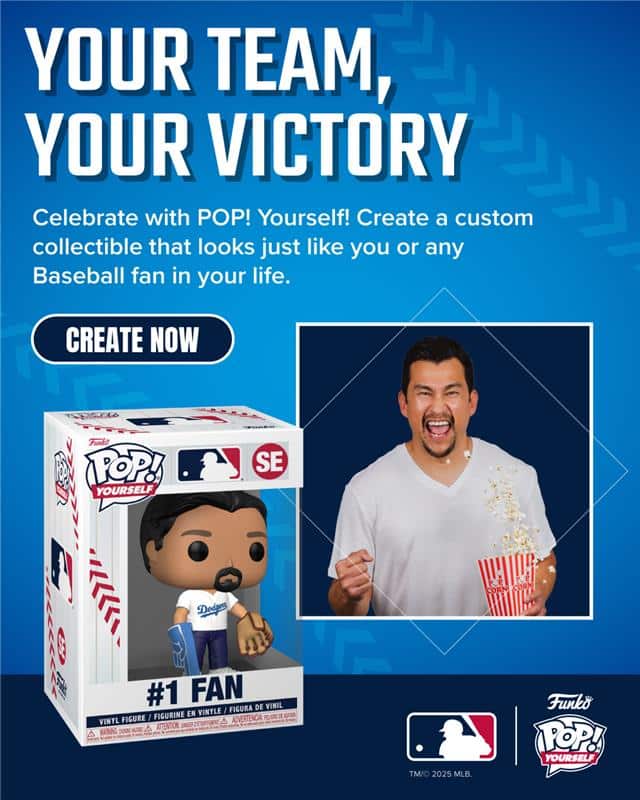
The second part is that I’m excited to continue getting more creative with our existing partners, whether it’s Walmart in a big way, ot Hot Topic, or our own D2C channel. There are some new ways that Pop! Yourself is coming to life, and I’m thinking of some ways that we can create some really unique evolved retail experiences with the Funko point of view. Hopefully you’ll see these in a year. More details to come on all of that; it’s a lot.
Then, of course, I have to say it, because it’s true: business growth. I wouldn’t be here if I weren’t incredibly optimistic about the business growth opportunities. I think everything I just mentioned is part of that, and a year from now, I’d love to see us back to a very solid growth story as a company. ∎
The Road to the Holidays
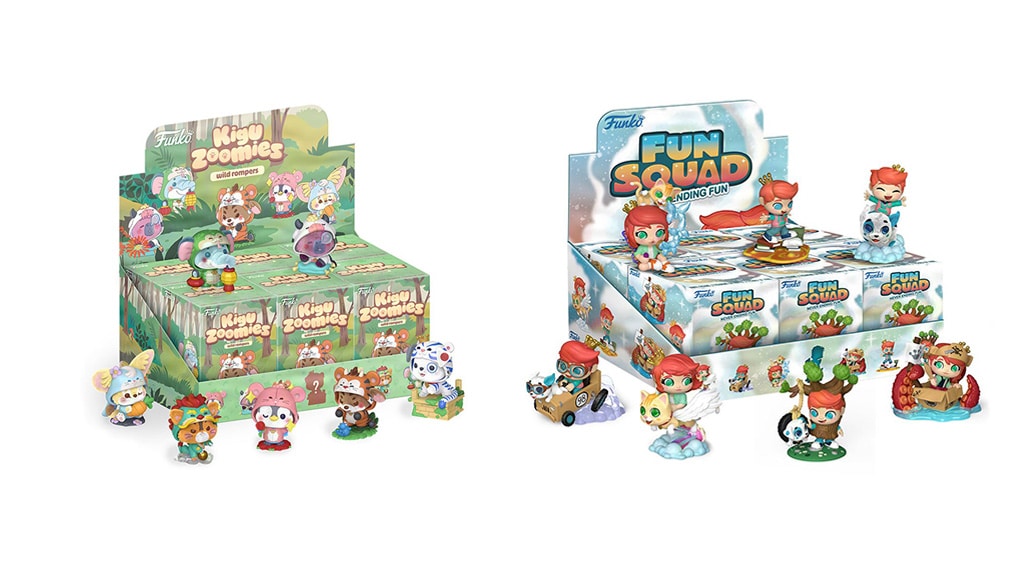
As Funko charges ahead into Q4, some big moments include the New York Comic Con launch of its Premium Blind Box range and preorders for the Pop! Los Angeles Dodgers 2025 MLB World Series Champions 5-Pack. Strong content tie-ins this fall include Wicked: For Good, Stranger Things 5, and the biggest Netflix film of all time, KPop Demon Hunters. The company’s “quick strike” strategy looks to have an assortment of KPop Demon Hunters products from Funko and Loungefly in stores before Christmas.
Additionally, Funko recently inked multi-year licensing renewal agreements with Warner Bros., NBCUniversal, Paramount, and The Walt Disney Co., which includes Pixar, Marvel, Lucasfilm, and 20th Century Studios.
New retail developments include a Pop! Yourself activation with Inter Miami CF at the start of the MLS season, and a big push for the fast-growing Bitty Pop! range at Walmart. In addition to bringing Bitty Pop! to the toy department as part of Walmart’s fall reset, 1,800 stores will see an out-of-aisle presentation, including a half-pallet shipper near the action figure, collectibles, or electronics departments, depending on the store. Bitty Pop! singles will be stocked at the front check lanes.
Additional retail touchpoints, including Bitty Pop! vending machines and Pop! Yourself kiosks are planned alongside a new, AI-enhanced Pop! Yourself Builder to help fans further customize the perfect Pop!
All challenges aside, Funko expects to see modest sales growth in the fourth quarter.
Trending Products
